Controlled hygiene solutions where water use is limited or not permitted.
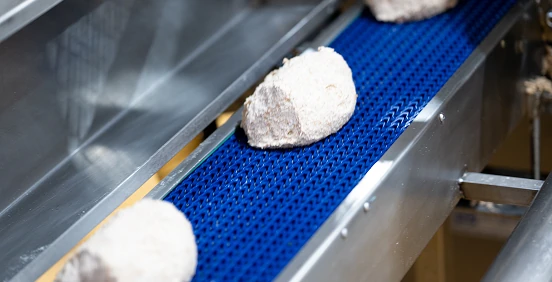
Dry cleaning services are specifically designed for food production environments where water use is limited or not permitted. These environments require a specialised approach to hygiene that removes dust, flour, powders and other dry contaminants while minimising the introduction of moisture that may support microbial growth and contamination spread. With more than 30 years of expertise, Ecowize delivers tailored dry-cleaning programmes that help facilities remain safe, compliant and audit ready.
Dry cleaning is a controlled process that removes contamination without water. It focuses on eliminating dust, flour, powders and residues that can harbour bacteria or create cross-contamination risks. In low-moisture environments, this method is critical because moisture can introduce additional hazards and create conditions that support pathogen survival and spread.
Dry-cleaning services are implemented across a range of low-moisture and high-care environments, including bakeries and flour-based production facilities, mills and silos, snack and cereal production plants, warehousing and distribution centres, powder handling and ingredient storage areas, and petfood production plants.
Low-moisture food environments present unique food safety challenges. Pathogens such as Salmonella may survive for extended periods in dry conditions, making effective dry cleaning and contamination control essential. These environments require careful zoning, disciplined cleaning methods and strong control over tools, movement and residue removal to reduce the risk of contamination spreading through the facility.
A structured methodology is used to ensure effective cleaning while maintaining environmental control.
Dry-cleaning programmes support HACCP principles and risk management, ISO 22000 food safety systems and SANS 10049 hygiene standards. The aim is to reduce risk while maintaining product integrity and operational continuity.
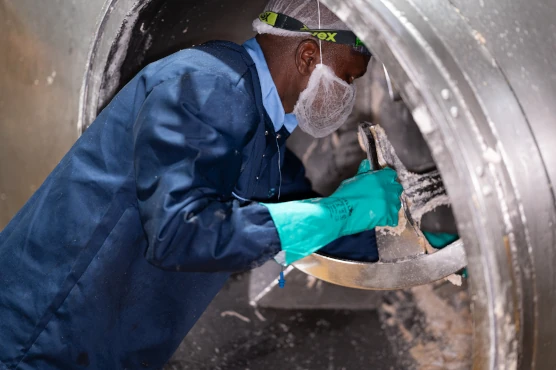
Incorrect cleaning methods in dry environments can introduce serious risks. Dry cleaning helps prevent moisture-related contamination issues, reduce dust-related contamination risks, maintain product quality and consistency, and support compliance with food safety audits. Dry cleaning programmes also support allergen management by helping remove product residues and reducing the risk of allergen cross-contact during production changeovers.
Ecowize brings a deep understanding of wet versus dry risk environments, proven systems for cross-contamination control, specialised equipment and trained teams, and tailored solutions aligned to your operation. The result is a trusted hygiene partner that understands the operational demands of low-moisture production.
Dry cleaning is essential in low-moisture food environments because it protects product integrity without adding moisture-related risk. When the process is structured, controlled and verified, it helps support audit-ready hygiene standards and more consistent operational performance. Contact Ecowize to learn more about specialised dry-cleaning services.